Contents
Key Takeaways
TL;DR
Code reviews can transform your team's productivity or waste countless hours - the difference lies in execution. Research shows that teams using structured review processes catch 85% more bugs before production, yet most organizations struggle with slow turnarounds and inconsistent feedback. This guide reveals proven strategies to make your code reviews faster, more effective, and genuinely valuable for your entire engineering team.
Keep pull requests under 400 lines to maintain review effectiveness and catch more issues
Respond to review requests within four hours and complete reviews within 24 hours
Use automated checks for style and testing before human reviewers examine code
Give specific, actionable feedback that teaches while improving code quality
Track metrics like review cycle time and defect escape rate to identify process improvements
Start by implementing one improvement this week. Choose the change that addresses your team's biggest code review pain point, whether that is response time, feedback quality, or cultural resistance.
Why code reviews matter more than you think
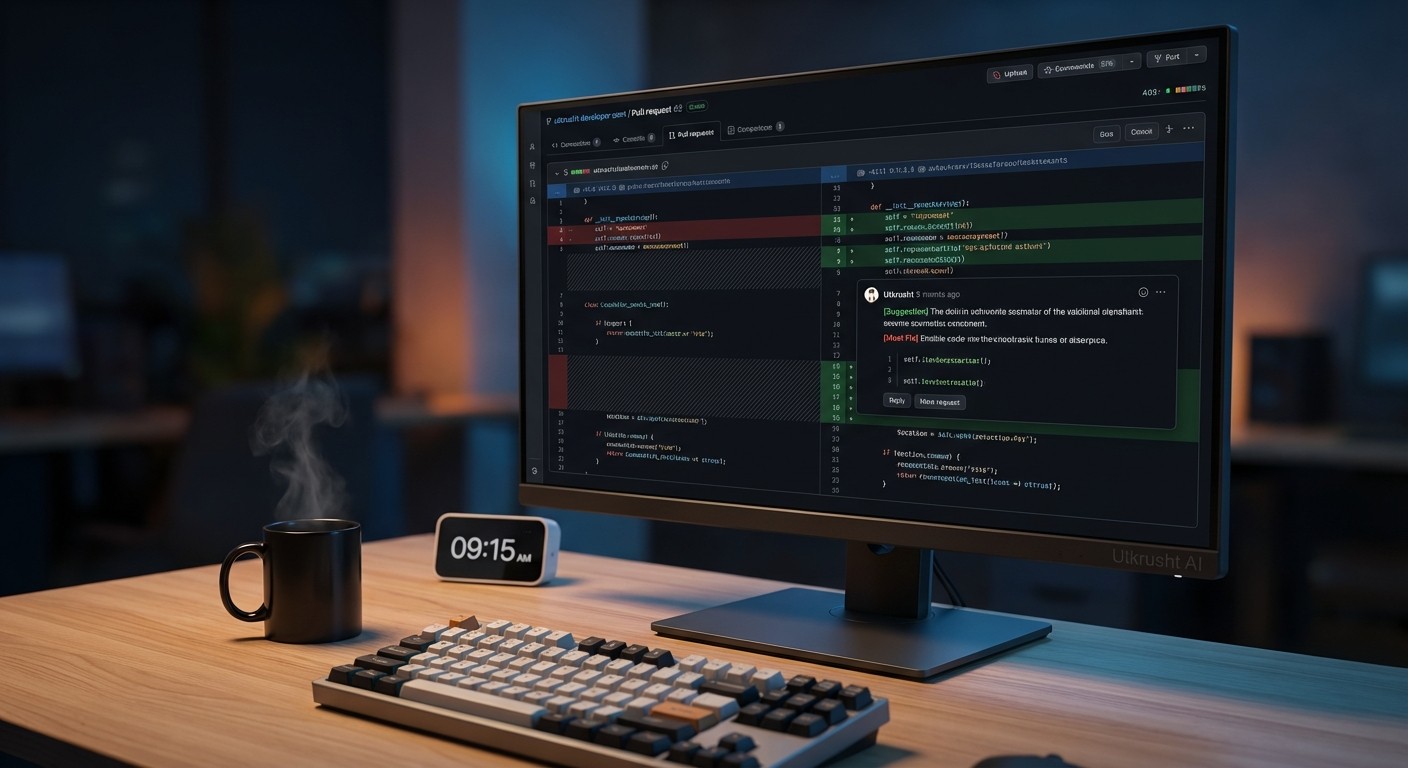
Code reviews are not just about finding bugs. When done right, they improve code quality, spread knowledge across your team, and build stronger engineering culture. According to a study by SmartBear, code reviews reduce defects by 80% when implemented systematically.
Yet many teams treat reviews as a checkbox exercise. Developers submit pull requests that sit for days. Reviewers leave vague comments. Tensions rise. The result? Delayed releases, frustrated engineers, and bugs that slip through anyway.
The problem is not the concept of code reviews - it is how teams execute them. You need clear standards, efficient workflows, and a culture that values constructive feedback. When your team gets these elements right, code reviews become one of your most powerful quality assurance tools.
Similar to how Utkrusht evaluates engineering talent through real-world performance rather than theoretical questions, effective code reviews assess actual implementation quality over abstract knowledge.
What makes a code review actually work?
Effective code reviews balance three priorities: speed, thoroughness, and learning. Reviews that take too long block progress. Reviews that are too quick miss critical issues. Reviews focused only on finding mistakes create defensive developers.
The sweet spot involves setting clear expectations upfront, using checklists to maintain consistency, and fostering an environment where feedback improves both the code and the coder.
Just as Utkrusht’s approach reveals developer capabilities through observable work rather than resumes or quiz questions, code reviews should focus on tangible evidence of problem-solving ability and implementation decisions rather than superficial style debates.
Setting up your code review process
Before you review a single line of code, establish the foundation. Your process should answer five questions: who reviews, when they review, what they look for, how they communicate feedback, and what happens after approval.
Who should review code?
Assign reviewers based on expertise and availability. Senior developers should review complex changes to core systems. Mid-level engineers can handle feature additions and bug fixes. Junior developers benefit from reviewing code above their current level - it accelerates learning.
Consider implementing a rotation system to prevent bottlenecks. When one person becomes the sole gatekeeper, reviews pile up and knowledge stays siloed. Rotating reviewers spreads expertise and keeps everyone engaged with different parts of the codebase.
Reviewer Selection Criteria:
Technical knowledge of the affected system or module
Availability within the next four to eight hours
Balance of workload across the team
Opportunity for junior developers to learn from observation
When to start the review
Timing determines success. Reviews should begin within four hours of pull request submission. According to Atlassian’s internal data, reviews started within this window complete 60% faster than those left overnight.
Set clear expectations about response times. If your team commits to reviewing within four hours during business hours, track and measure adherence. Use automated reminders through your version control platform to alert reviewers when their input is needed.
What to look for in every review
Create a standardized checklist that every reviewer follows. Consistency prevents important checks from being forgotten and helps newer reviewers understand priorities.
Your checklist should cover these categories: functionality, code quality, testing, security, performance, and documentation. Within each category, define specific items to verify.
The review checklist that catches everything
A comprehensive checklist ensures nothing slips through. Here is a framework you can adapt for your team.
Category | Check Item | Priority |
|---|---|---|
Functionality | Does the code solve the stated problem? | ✅ High |
Functionality | Are edge cases handled properly? | ✅ High |
Code Quality | Is the code readable and well-structured? | ✅ High |
Code Quality | Are variable and function names clear? | ✅ Medium |
Testing | Are there adequate unit tests? | ✅ High |
Testing | Do tests cover happy paths and error cases? | ✅ High |
Security | Are inputs validated and sanitized? | ✅ High |
Security | Are authentication and authorization correct? | ✅ High |
Performance | Are there obvious performance bottlenecks? | ✅ Medium |
Performance | Are database queries optimized? | ✅ Medium |
Documentation | Are complex sections commented? | ✅ Medium |
Documentation | Is the pull request description complete? | ✅ Medium |
Customize this checklist for your technology stack and priorities. A team building financial software will emphasize security checks more heavily than a team building internal tools. The key is making sure everyone uses the same criteria.
How to give feedback that improves code and culture
The way you deliver feedback matters as much as the feedback itself. Harsh comments create defensive developers who stop engaging meaningfully with reviews. Vague comments leave authors confused about what to change.
Follow these principles when commenting on code:
Be specific and actionable. Instead of “This function is messy,” write “Consider extracting lines 45-62 into a separate function called validateUserInput() to improve readability.”
Explain the why. When you request a change, explain the reasoning. “This approach could cause a race condition if two requests arrive simultaneously. Try using a mutex lock here” teaches the developer something valuable.
Distinguish between requirements and suggestions. Use clear language to indicate priority. Prefix mandatory changes with “Required:” and optional improvements with “Suggestion:” or “Nit:”. This helps authors prioritize their revisions.
Praise good work. When you see elegant solutions or improvements to existing patterns, call them out. Positive reinforcement encourages developers to maintain high standards.
Common code review mistakes to avoid
Even experienced teams fall into patterns that reduce review effectiveness. Watch out for these common pitfalls.
Reviewing too much code at once
Large pull requests overwhelm reviewers and increase the chance of missing problems. Research by Cisco found that review effectiveness drops significantly after reviewing 200 to 400 lines of code.
Encourage developers to submit smaller, focused changes. If a feature requires 1,000 lines of new code, break it into logical chunks that can be reviewed and merged independently. This speeds up the entire development cycle.
Focusing only on style issues
It is easy to comment on formatting inconsistencies and miss substantive problems. While consistent style matters, automated tools like linters and formatters should handle these checks before human review begins.
Reserve your mental energy for issues machines cannot catch: logic errors, architectural concerns, security vulnerabilities, and unclear implementations.
Letting reviews drag on
Every day a pull request sits unmerged increases the risk of merge conflicts and context switching. Set a team standard that reviews complete within 24 hours of submission.
If a review reveals major issues requiring substantial rework, approve the close of the current pull request and ask for a new one after revisions. This keeps the review queue moving.
Being too nice or too harsh
Both extremes damage code quality. Approving everything to avoid conflict allows poor code into production. Nitpicking every detail frustrates developers and slows progress.
Calibrate your standards with your team. Discuss what issues warrant blocking a merge versus noting for future improvement. This alignment prevents inconsistent experiences across reviewers.
[LINK: Building a positive engineering culture]
Tools and automation that speed up reviews
The right tools make reviews faster and more thorough. Modern platforms offer features that reduce manual effort and catch issues automatically.
Pre-review automated checks
Configure your continuous integration pipeline to run automated checks before human review begins. These checks should include:
Linting and formatting: Enforce code style standards automatically so reviewers do not waste time on formatting debates.
Unit test execution: Verify all tests pass before review. Failing tests indicate incomplete work.
Code coverage analysis: Ensure new code includes adequate tests. Set minimum coverage thresholds that block merging without sufficient tests.
Security scanning: Tools like Snyk and SonarQube identify common vulnerabilities automatically.
Performance profiling: Automated benchmarks catch performance regressions before they reach production.
When automated checks fail, the pull request should not enter human review until the author fixes the issues. This respects reviewers’ time and maintains quality standards.
Review platform features to enable
Modern platforms like GitHub, GitLab, and Bitbucket offer features that streamline the review process. Make sure you enable and use these capabilities:
Feature | Benefit | Best Practice |
|---|---|---|
Review assignments | Ensures the right people review | Use CODEOWNERS files to auto-assign |
Status checks | Blocks merging until requirements are met | Require approval from 1-2 reviewers |
Draft pull requests | Allows early feedback without formal review | Use for work-in-progress collaboration |
Review comments | Keeps discussion organized | Reply to comments to track resolution |
Suggested changes | Allows reviewers to propose code directly | Use for small syntax or style fixes |
Pull request templates | Standardizes information provided | Require description, testing notes, screenshots |
This principle of observable evidence extends beyond code review tools. For instance, Utkrusht’s platform enables engineering teams to watch recorded coding sessions where candidates debug APIs, optimize queries, and refactor production code - providing the same depth of technical insight that thorough code reviews offer, but applied during the hiring process rather than after someone joins the team.
Metrics that matter
Track these metrics to identify bottlenecks and improve your process over time:
Time to first review: How long after submission does the first reviewer comment? Target under four hours during business hours.
Review cycle time: How long from submission to merge? Aim for under 24 hours for most changes.
Number of review rounds: How many back-and-forth cycles occur? More than three rounds suggests unclear requirements or scope creep.
Defect escape rate: How many bugs make it through review into production? Track post-release bugs to assess review effectiveness.
Do not measure individual reviewer speed in ways that create pressure to approve hastily. The goal is finding process improvements, not ranking people.
Advanced techniques for senior teams
Once your basic process is solid, these advanced techniques can take reviews to the next level.
Pair review for complex changes
For particularly complex or risky changes, conduct reviews synchronously. The author and reviewer meet virtually or in person, walking through the code together. This approach combines the knowledge-sharing benefits of pair programming with the quality assurance of code review.
Synchronous reviews work especially well for architectural changes, security-critical code, and situations where asynchronous comments have led to confusion.
Layered review approach
Implement multiple review stages for different concerns. A first reviewer focuses on functionality and architecture. A second reviewer examines security and performance. This distributes the cognitive load and ensures specialized expertise is applied where needed.
Review audits
Periodically review your reviews. Select a sample of recently merged pull requests and evaluate the review comments. Did reviewers catch the most important issues? Were comments actionable? Did discussions stay constructive? This meta-review helps teams calibrate their standards and improve reviewer skills.
Building a culture that values reviews
Process and tools matter, but culture determines whether reviews truly improve your codebase. Foster these cultural elements on your team.
Make reviews a learning opportunity
Frame reviews as teaching moments, not judgment. When a reviewer suggests a better approach, they share knowledge. When an author explains their reasoning, they teach the reviewer about their problem space.
Encourage questions in both directions. Reviewers should feel comfortable asking “Why did you choose this approach?” Authors should feel comfortable asking “Can you explain why the alternative is better?”
Celebrate good reviews
Recognize team members who provide thoughtful, constructive feedback. In team meetings or retrospectives, highlight examples of reviews that caught critical bugs, suggested elegant improvements, or helped someone learn.
This recognition reinforces that reviewing is valuable work, not a distraction from “real” coding.
Rotate review responsibilities
Everyone on the team should review and be reviewed regularly. This prevents knowledge silos and builds empathy. When developers review others’ code, they become more thoughtful about writing reviewable code themselves.
Set ego aside
Code reviews work best when everyone checks their ego at the door. The code belongs to the team, not individuals. Feedback targets the work, not the person.
Senior developers should model this behavior by accepting feedback gracefully and acknowledging when reviewers catch their mistakes. This sets the tone for the entire team.
[LINK: Effective communication strategies for distributed teams]
Adapting reviews for remote teams
Remote work adds complexity to code reviews. You lose the ability to tap someone on the shoulder for quick clarification. These strategies help distributed teams maintain effective reviews.
Overcommunicate context
When submitting a pull request remotely, provide more context than you might in person. Explain the problem you are solving, the alternatives you considered, and the tradeoffs you made. Include screenshots or recordings for UI changes. Link to relevant documentation or prior discussions.
This upfront investment reduces confusion and back-and-forth during review.
Use video for complex discussions
When asynchronous comments are not resolving a point of confusion, jump on a quick video call. Five minutes of conversation often clarifies what would take dozens of written comments to resolve.
Record these calls and link them in the pull request comments so the decisions are documented.
Respect time zones
For globally distributed teams, establish clear expectations about review timing. If your team spans 12 time zones, you cannot expect four-hour response times. Adjust your standards to match reality.
Consider pairing reviewers across time zones so coverage extends throughout the day. As one region ends their workday, another begins, maintaining steady progress.
Handling disagreements in review
Not every review produces consensus. When reviewer and author disagree, you need a process to move forward.
Discuss, don’t debate
First, ensure both parties understand each other’s position. Often disagreements stem from miscommunication rather than fundamental differences. Ask clarifying questions before defending your viewpoint.
Appeal to standards
If your team has documented coding standards or architectural principles, reference them. Shared standards provide objective criteria for resolving subjective debates.
Escalate when necessary
If discussion does not resolve the disagreement, escalate to a technical lead or architect. This person can make a binding decision that allows work to proceed.
Document the decision and reasoning for future reference. If the same question arises again, you have a precedent to point to.
Agree to experiment
Sometimes neither approach is clearly superior. In these cases, move forward with one approach and plan to gather data. If performance metrics or bug rates suggest problems, revisit the decision later.
This pragmatic approach prevents reviews from stalling indefinitely over theoretical concerns.
Frequently asked questions
How long should a code review take?
Most code reviews should complete within 30 to 60 minutes of focused time for the reviewer. If a review consistently takes longer, the pull requests are likely too large. Break them into smaller chunks. Research shows reviews lose effectiveness after 60 to 90 minutes of continuous reviewing.
How many reviewers should approve a pull request?
For most changes, one qualified reviewer is sufficient. Critical changes to security-sensitive code, core infrastructure, or public APIs benefit from two reviewers with different areas of expertise. Requiring more than two approvals slows development without proportional quality gains.
Should junior developers review senior developers’ code?
Yes. Junior developers bring fresh perspectives and catch issues that experienced developers might overlook due to assumptions. Reviewing senior code also teaches juniors about best practices and system architecture. The key is setting expectations that junior reviewers focus on understanding and asking questions, not blocking merges.
What if the author disagrees with review feedback?
The author should explain their reasoning in a comment. Sometimes authors have context reviewers lack. Open discussion often reveals a better third option neither party initially considered. If disagreement persists, escalate to a technical lead for resolution. Merge should not proceed until concerns are addressed or explicitly accepted as technical debt.
How do we prevent reviews from becoming bottlenecks?
Set clear response time expectations and track metrics. Use automated checks to catch routine issues before human review. Keep pull requests small and focused. Rotate review responsibilities across the team. Consider async/await review patterns where non-blocking feedback is addressed in follow-up pull requests for minor issues.
Should we review every single line of code?
For production code, yes. Every change that reaches your main branch should be reviewed. The exceptions are truly trivial changes like fixing typos in comments or updating documentation formatting. Even these benefit from quick review to catch errors. Experimental code in separate branches may not need formal review until it is ready to merge.
How do we handle reviews for urgent hotfixes?
Establish a fast-track process for production emergencies. Urgent fixes still need review, but response time expectations compress to minutes rather than hours. Consider requiring one senior developer to be on-call specifically for urgent review needs. After the emergency is resolved, conduct a thorough post-incident review to understand why the bug escaped initial testing.
Conclusion
Code reviews transform from time-consuming obligation to competitive advantage when you implement clear processes, use the right tools, and build a culture that values constructive feedback. Teams that master this practice catch bugs earlier, share knowledge more effectively, and ship higher-quality software faster.
The difference between reviews that work and reviews that waste time comes down to execution. Set standards, measure what matters, and continuously refine your approach based on data and feedback.
As Utkrusht demonstrates in technical hiring, evaluating through real-world performance rather than abstract credentials reveals true capabilities. This same philosophy makes code reviews effective - focusing on practical implementation quality, observable problem-solving approaches, and measurable outcomes rather than theoretical debates or superficial style preferences.
Leading engineering teams recognize that substantive evaluation, whether in hiring or code review, requires watching how developers actually work through realistic challenges.

Zubin leverages his engineering background and decade of B2B SaaS experience to drive GTM as the Co-founder of Utkrusht. He previously founded Zaminu, served 25+ B2B clients across US, Europe and India.
Want to hire
the best talent
with proof
of skill?
Shortlist candidates with
strong proof of skill
in just 48 hours


